
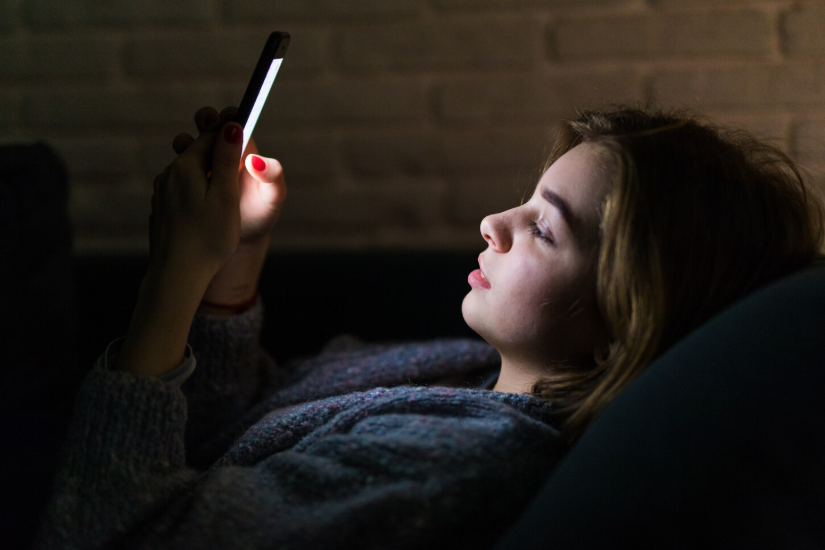
Nighttime Googling reflects a blend of biology, anxiety, and the human need for reassurance in moments of uncertainty.
There’s a reason so many people find themselves doom-scrolling symptoms long after midnight. Why we Google symptoms has less to do with modern habits and more to do with how the brain reacts, following a recognizable psychological pattern. When the world gets quiet, and distractions fade, the mind turns inward, amplifying physical sensations that felt manageable hours earlier.
Why Symptoms Feel Worse After Dark
At night, the brain is more sensitive to physical sensations. Without daytime noise, movement, or conversation to dilute our focus, aches, twinges, or odd sensations stand out sharply. This increased awareness can make ordinary bodily functions feel alarming.
The brain processes pain and discomfort differently when we’re tired. Fatigue lowers our ability to regulate emotions and increases our sensitivity to threat cues. As a result, even minor symptoms can feel magnified. When the body quiets down, the mind fills the silence with hyper-attentive scanning, looking for problems it might have missed.
This heightened sensitivity creates the perfect environment for seeking answers. The urge to Google becomes a coping mechanism and a way to regain control over sensations that feel suddenly intense.
To understand how nighttime cognition works, see Why People Google Dreams and Their Meanings.
Why Anxiety Peaks at Night
Nighttime anxiety has biological roots. Cortisol, a hormone associated with alertness, dips in the evening, and serotonin levels fluctuate. These changes make intrusive thoughts more likely, and physical sensations feel more emotionally charged.
When people go to bed, they’re often experiencing their first true stillness of the day. Thoughts that were pushed aside in busier hours have space to surface. Health worries rise to the top because they carry emotional weight and represent uncertainty. Searching for symptoms becomes a way to break the spiral, even though it often makes anxiety worse.
Once the cycle begins, the brain quickly forms a loop: sensation → worry → search → more worry. Each step feels logical in the moment, but together they create the illusion of danger where there may be none.
Read Understanding ‘Dark Mode’: Why It’s Everywhere and How It Works to explore how nighttime habits change.
Why We Seek Reassurance From Search Engines
Humans are naturally programmed to reduce uncertainty. When something feels “off,” the quickest path to reassurance is information, or the closest approximation available at 2 a.m. That’s where the search engine comes in.
Search engines feel safe, private, and immediate. People can ask questions they might hesitate to ask others, especially about personal or embarrassing symptoms. Late-night searching becomes a form of self-soothing, even if the results are vague or frightening.
The problem lies in how information is displayed. Search results often prioritize broad or profound possibilities because they generate attention, not because they are most likely. This fuels a sense of fear that keeps people scrolling even longer. The search for reassurance becomes its own source of stress.
Still, the impulse to understand what’s happening in the body is deeply human. Late-night symptom searching reveals the mind’s desire to eliminate ambiguity, especially when emotions are heightened.
Explore How Search Engines Shape What We Think Is ‘Normal’ or ‘Common’ to understand how search results influence late-night Googling.
Why This Pattern Isn’t Going Away
Despite increased awareness of “cyberchondria,” people continue to Google symptoms at night because the underlying factors remain constant: quiet environments, emotional vulnerability, and the desire for immediate answers.
The appeal is also practical. For many people, nighttime is their only free time. Health questions that linger in the background all day finally rise to the surface when everything else slows down. Searching feels productive, even if it doesn’t truly resolve the concern.
This pattern reflects a universal truth: when we’re tired, worried, or alone with our thoughts, the mind gravitates toward self-assessment. Late-night symptom searches aren’t a sign of weakness. They’re a window into how humans process uncertainty and try to make sense of their bodies.