
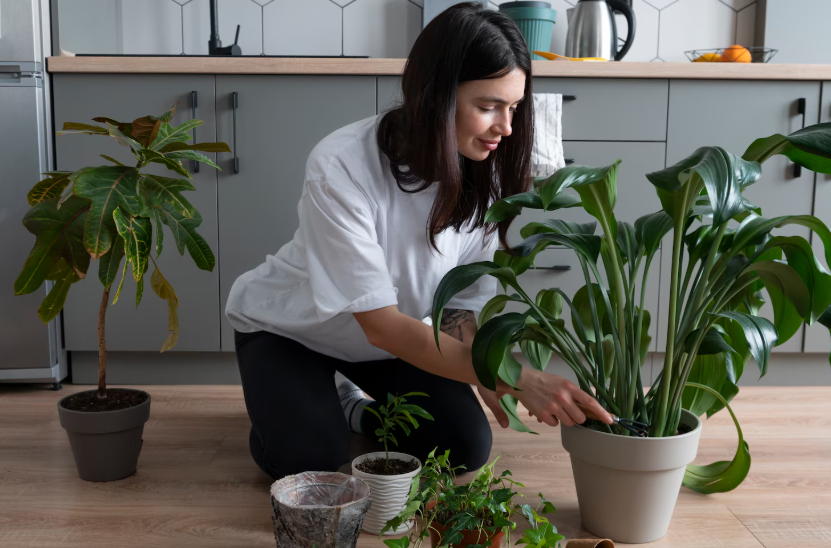
The most-searched questions show that people want confidence, clarity, and plants that survive without needing expert-level care. Thousands of people search daily for beginner plant care tips because keeping houseplants alive feels more complicated than it looks.
Some plants droop, some dry out, some rot without warning, and many beginners feel discouraged long before they understand what went wrong. But most plant problems come down to a few simple habits.
Start With Beginner-Friendly Plants That Can Handle Mistakes
Not all plants are created equal, and some are far more forgiving than others. Searches for “best plants for beginners” or “easiest plants to keep alive” reflect this instinct. People want plants that won’t punish them for missing a watering or placing them in less-than-perfect lighting.
Beginner-friendly options include:
- Pothos
- Snake plant
- ZZ plant
- Spider plant
- Philodendron
These plants tolerate low light, irregular watering, and everyday fluctuations. Choosing the right plant removes 90% of the frustration and builds early success, which motivates people to learn more.
Starting with resilient plants is the easiest way to gain confidence.
Check out How to Declutter Without Feeling Overwhelmed to make space for your growing plant collection.
Understand Light: The #1 Reason Plants Struggle
One of the top plant-care searches is “why is my plant dying?” and the most common answer is incorrect lighting. Plants that need bright light will decline in dim corners, and low-light plants will scorch near sunny windows.
A simple rule works for most beginners:
- Bright, direct light: cacti, succulents
- Bright, indirect light: pothos, philodendron, snake plant
- Low light: ZZ plant, certain ferns
Checking the light level throughout the day helps you choose the right spot. People often worry about watering, but light is the proper foundation of plant health. If the light is right, plants tolerate watering inconsistencies much better.
Search behavior shows that people want easy, visual guidance, not complicated horticulture terms.
Explore How to Build a Calm Morning Routine for habits that make plant care feel effortless.
Water Consistently, But Not Constantly
Overwatering is the most common beginner mistake. New plant owners often search for “how often should I water?” because they fear underwatering more than overwatering. But most plants prefer drying out between waterings.
A simple strategy helps:
- Stick your finger one inch into the soil.
- If it feels dry, it’s time to water.
- If it’s still damp, wait a few days.
Using pots with drainage holes is also essential. Without drainage, water collects at the bottom and suffocates roots, leading to the dreaded mushy-stem rot many beginners encounter.
Consistency matters more than frequency. Many plants thrive on less water than expected.
See The History of “How-To” Searches and Why They Keep Growing to see why plant care guides are popular.
Don’t Overcomplicate Care: Small Habits Make Big Differences
Beginners often think they need fertilizer schedules, misting routines, humidity boosters, and perfect soil blends. But the most-searched plant questions suggest people really want simplicity. Small, consistent habits make the most significant difference:
- Dusting leaves occasionally so they can absorb more light
- Rotating plants for even growth
- Removing dead leaves instead of panicking
- Repotting only when roots outgrow their container
These micro-habits keep plants healthy without overwhelming the owner. The less pressure involved, the more enjoyable plant care becomes.
With the right plant, the right light, and a simple watering routine, anyone, even those who think they have “no green thumb,” can keep plants alive.