
Search engines don’t just reflect what people think; they influence it. Search engine influence shapes our perception of what’s “normal” before we even finish typing.
Most people turn to search engines when they’re uncertain, curious, or looking for reassurance. But the moment we start typing, something subtle happens: the suggestions, autocomplete options, and trending results begin shaping our perception of what’s typical.
The more we rely on search engines, the more these platforms become silent participants in defining cultural expectations.
Autocomplete Suggests What’s “Common” Before We Even Ask
Autocomplete is one of the strongest forces shaping perception. When you type only a word or two and see a list of suggested questions, it feels like a window into what everyone else is thinking. Even if the suggestions aren’t a majority sentiment, they appear as if they represent a collective thought pattern.
This creates a feedback loop. Once people see a suggested query, they are more likely to click it, which raises its search popularity even higher. Autocomplete becomes a mirror that also acts as a megaphone.
People walk away believing specific fears, curiosities, or experiences are widespread simply because the suggestions appeared.
To see how curiosity snowballs online, see How Certain Questions Go Viral Online (and What That Says About Us).
Popular Results Reinforce What We Assume Is Typical
Search results are sorted by relevance, authority, and engagement, but users often interpret the top results as evidence of commonality. If the first few articles all lean in a similar direction, people assume that perspective must be widely shared.
This effect is potent when questions involve health, relationships, or emotions. When people search “Is it normal to…,” the answers that rise to the top shape their belief about how common a situation really is. Search engines aren’t giving personal advice, but the structure of the results can unintentionally frame what seems typical.
This creates a subtle social norming effect: the internet becomes a benchmark for everyday experiences.
Read What People Search for During Boredom for more insights into search habits
Trending Topics Influence What We Pay Attention To
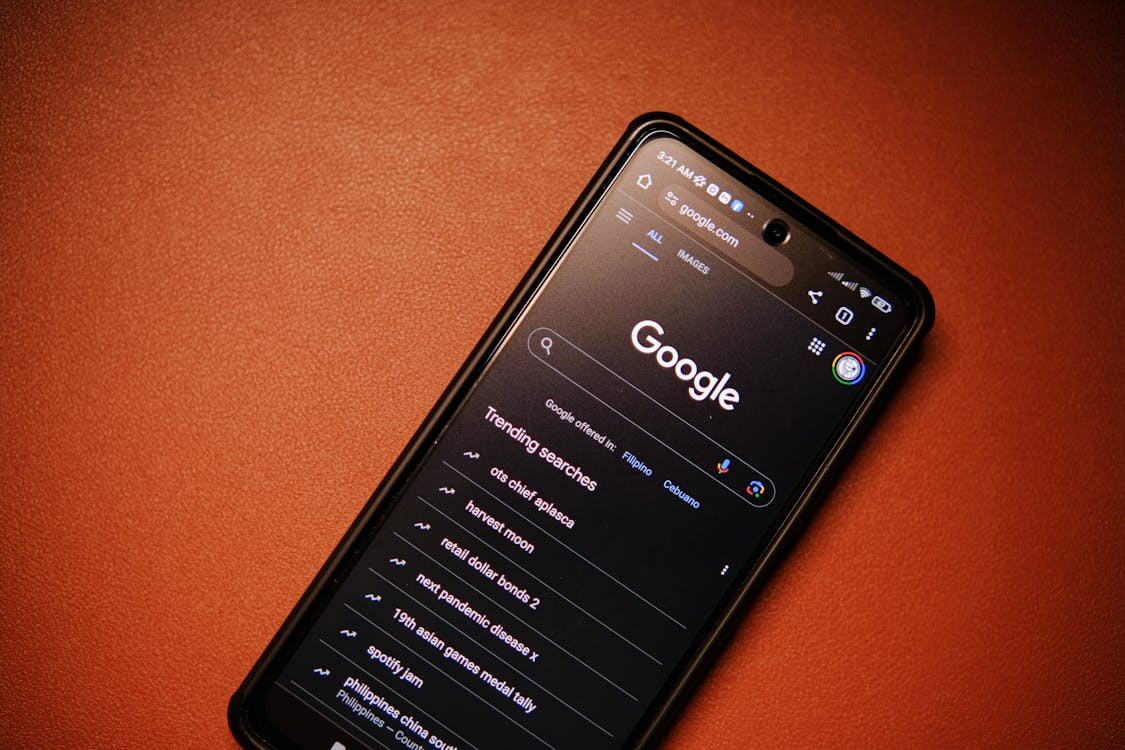
Trending sections make specific searches appear urgent or widespread, even if they represent only a temporary spike. People check trends out of curiosity, but clicking amplifies visibility. A topic that begins as a niche interest can quickly feel like a significant cultural moment once it’s spotlighted.
This visibility shapes behavior. If a particular issue or question is trending, people assume others care about it, which motivates them to care as well. The sense of “everyone is talking about this” becomes self-fulfilling.
Search trends turn isolated curiosity into shared attention.
for another example of how search drives trends, check out Why People Search ‘How to Start a YouTube Channel’ Daily.
Search Engines Become Reference Points for Social Reality
When people are unsure whether a behavior, milestone, or emotion is typical, they consult search engines before friends or family. Queries like “How often do people…,” “Is it weird if…,” or “Do most people…” reveal how deeply the internet has become a modern reference guide.
The results shape expectations in subtle ways. If thousands of articles and discussions exist on a topic, people assume the experience is common. If little shows up, users may believe their situation is rare, even when it isn’t.
This dependency means that search engines influence not just information but also self-perception. They quietly help define what feels socially acceptable, average, or unusual.