
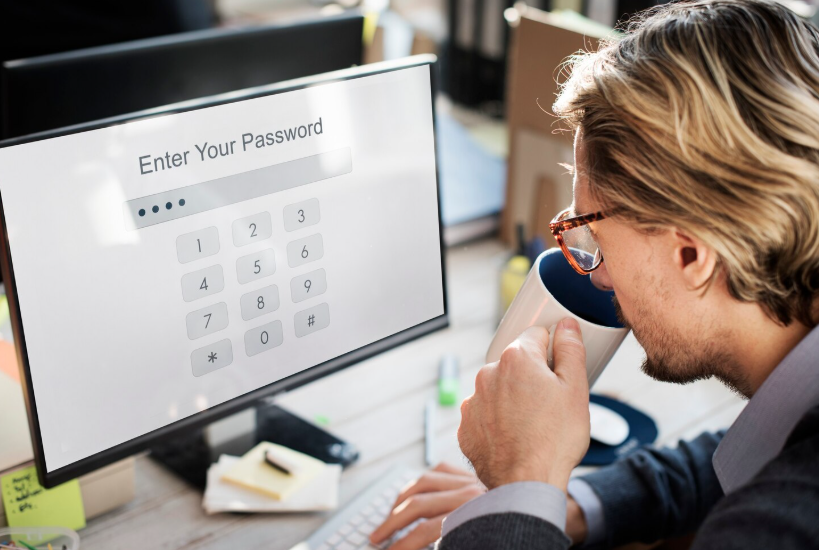
Password managers consistently rank among the most-searched digital security tools because nearly everyone struggles with the same problem: too many logins, too many devices, and too little memory to keep track of everything safely.
People search “best password manager,” “are password managers safe,” or “do I really need one,” because they want clarity in a confusing landscape. Understanding why password managers are so popular shows that the interest isn’t just technical—it’s practical and emotional.
People Search for Password Managers Because Password Overload Is Universal
Most people have dozens, sometimes hundreds, of accounts. Banks, streaming services, email, apps, subscriptions, shopping sites, and devices all require unique credentials. This leads to predictable search behavior. People type in questions like:
- “How do I remember all my passwords?”
- “Is it okay to reuse passwords?”
- “Best way to store logins?”
Password managers rise to the top because they solve the core problem: humans aren’t built to remember this many secure strings. When people search for relief, they find the same answer across articles, forums, and experts: use a manager to consolidate it all. These searches reflect a growing desire for both security and sanity.
Explore How Private Is Your Search History Really? to know more about digital privacy.
Security Concerns Drive a Huge Portion of Search Traffic
One of the biggest reasons people search for password managers is fear. They want to know whether storing all their login information in one place is dangerous. Queries like “can password managers be hacked,” “is storing passwords in the cloud safe,” and “local vs cloud password manager” surge whenever a security breach hits the news.
What users discover through search, and what cybersecurity experts repeat, is that password managers are generally safer than DIY solutions like:
- Notebooks
- Reused passwords
- Browser autofill
- Memorization
- Notes apps
Strong password managers encrypt data, making it unreadable even if stolen. Searches reveal that once users understand the difference between encrypted storage and plain storage, they feel more comfortable adopting a manager.
Search engines serve as the reassurance bridge between fear and informed action.
For another example of evolving tech habit, check out Understanding ‘Dark Mode’: Why It’s Everywhere and How It Works.
People Want to Know Which Password Manager Is Best
This is one of the most consistently searched comparisons in the cybersecurity space. Users want something easy, safe, affordable, and available on all their devices. Searches often include:
- “Best free password manager”
- “Password manager for families”
- “Best password manager for iPhone/Android/Windows/Mac”
- “LastPass vs 1Password vs Bitwarden”
These comparison searches exist because password managers differ in features like cloud sync, emergency access, autofill reliability, offline storage, and pricing. People don’t want complicated breakdowns. They want a clear “this one is right for your situation.”
Search patterns show that users care most about:
- Ease of use
- Security reputation
- Automatic syncing
- Honest reviews
- Whether experts recommend it
People aren’t just looking for any password manager. They’re looking for the right one.
For practical steps to feel more secure online, don’t miss How to Clean Up Your Digital Footprint in Under an Hour.
Searchers Want to Know If They Should Use One at All
Finally, many people aren’t searching for technical advice. They’re searching for permission. Questions like “do I need a password manager,” “is it worth it,” or “why are password managers important” show a desire to make the wise choice without overcomplicating life.
What most discover is simple:
If you have more than five accounts, care about cybersecurity, or dislike resetting passwords, a manager makes life easier.
Search results consistently emphasize the same benefits:
- Stronger, unique passwords for every account
- Faster logins
- Automatic storage
- Automatic updates
- Safer recovery options
People search for guidance to feel confident that adopting a password manager is both normal and wise, and search engines overwhelmingly reinforce that conclusion.